
World
 Back to home


Washington and Tehran Outline Framework for Extended Ceasefire as Military Tensions Persist in Middle East
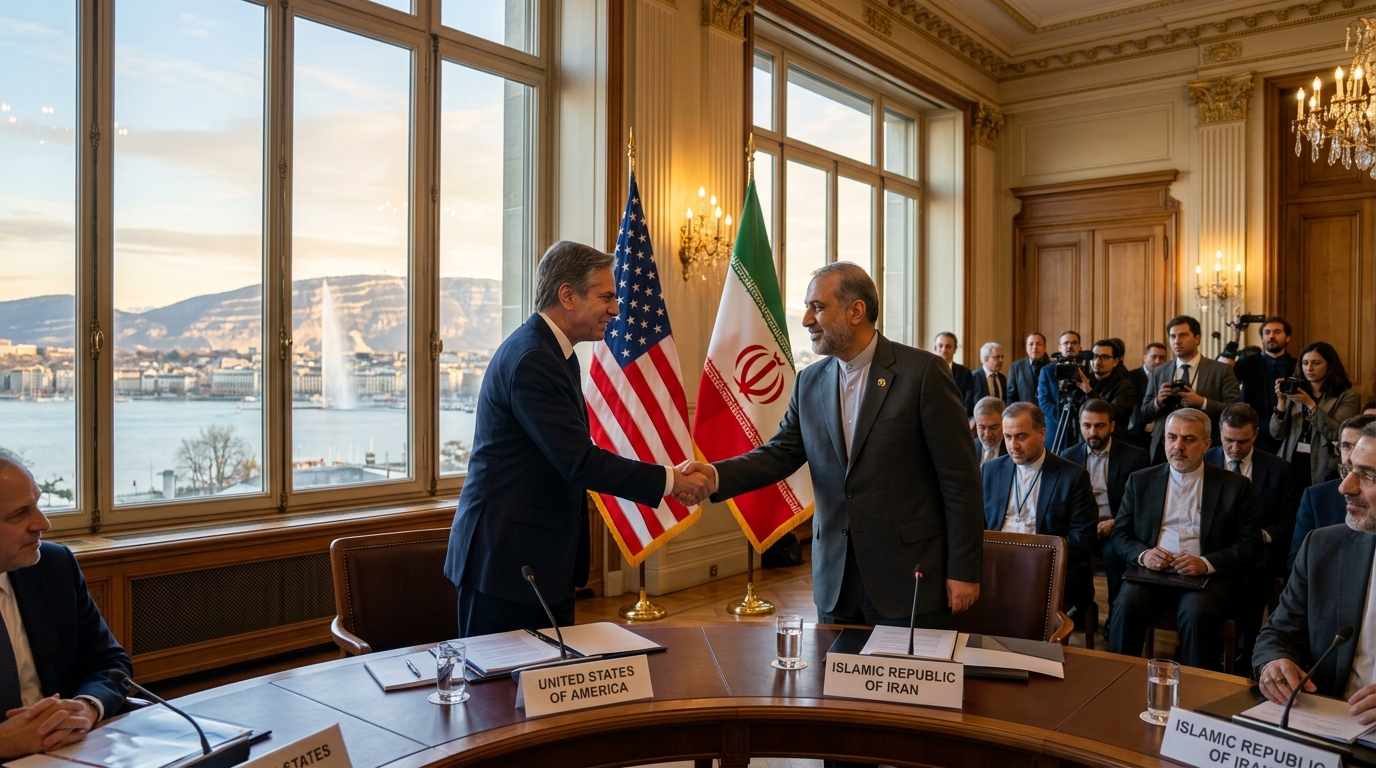
The United States and Iran have reached a preliminary outline agreement for a 60-day ceasefire extension, marking a potential de-escalation in months of military confrontation that has threatened regional stability and global energy security. The agreement, negotiated through intermediaries in Pakistan, represents a fragile diplomatic breakthrough following a series of tit-for-tat military strikes that have brought both nations to the brink of full-scale conflict. However, the agreement remains contingent upon approval from President Donald Trump, whose unpredictable approach to foreign policy has created uncertainty regarding whether the framework will ultimately be implemented. The negotiations have revealed that neither the United States nor Iran appears genuinely interested in returning to all-out warfare, despite the recent exchange of military strikes and inflammatory rhetoric from both capitals. Pentagon officials have indicated that the United States maintains readiness to resume military operations against Iranian targets should negotiations collapse, while simultaneously signaling openness to continued diplomatic engagement.
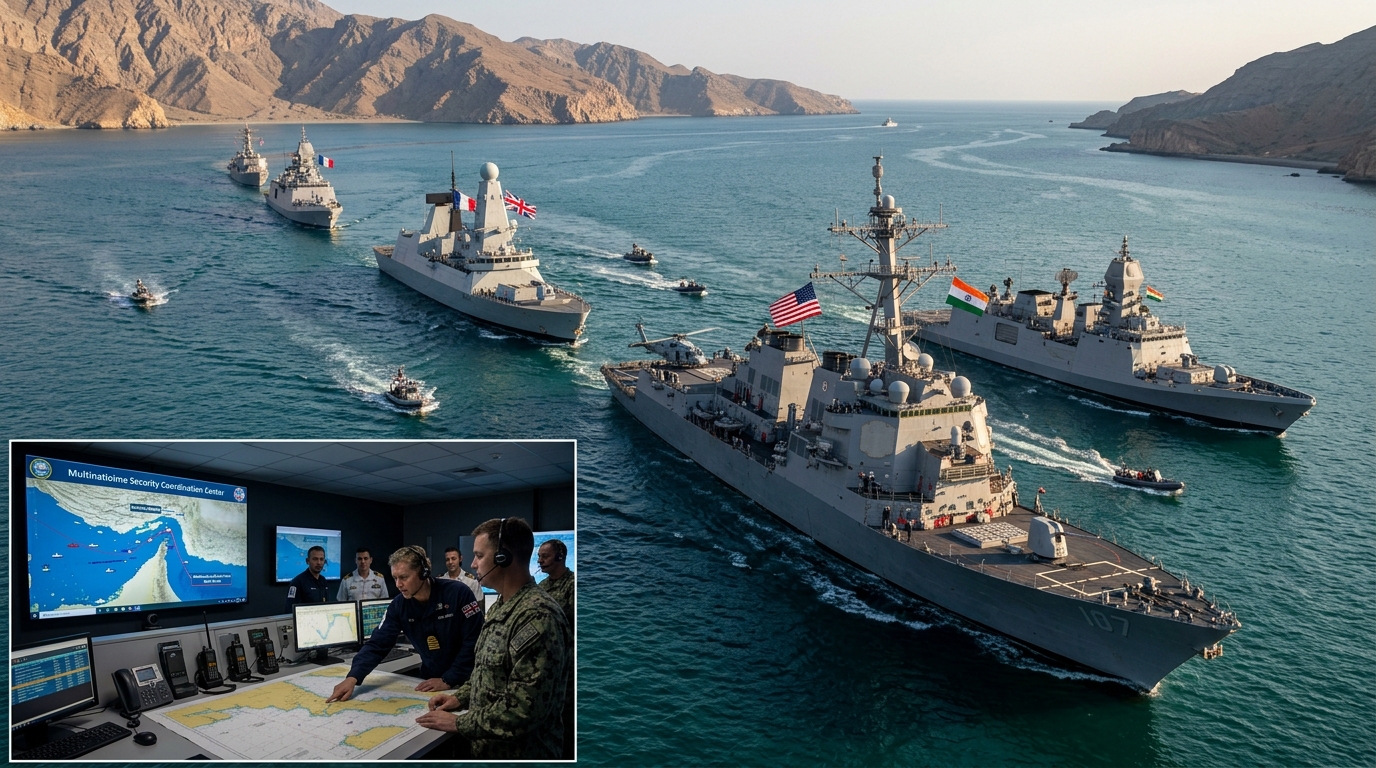
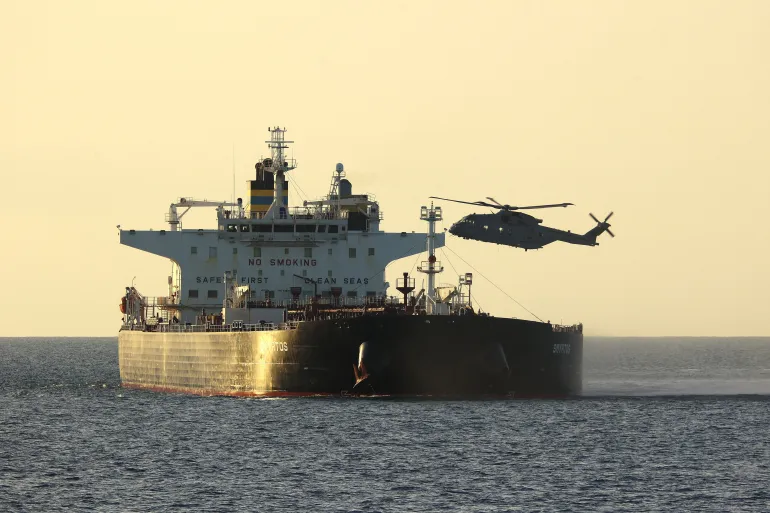
The ceasefire framework addresses several contentious issues that have fueled the escalating conflict, including Iranian nuclear program restrictions, sanctions relief, and maritime security in the strategically vital Strait of Hormuz. The Trump administration has announced a controversial initiative called "Project Freedom" aimed at ensuring freedom of navigation through the Strait of Hormuz, though this initiative has been temporarily paused pending the outcome of ceasefire negotiations. The broader geopolitical implications of this conflict extend far beyond bilateral US-Iran relations, affecting global oil markets, international shipping routes, and the strategic calculations of regional powers including Israel, Saudi Arabia, and the United Arab Emirates. Military analysts suggest that the ceasefire, if implemented, would provide both nations with breathing room to reassess their strategic positions and potentially pursue more comprehensive diplomatic solutions to underlying disputes. The agreement's success will depend significantly on whether both sides can maintain restraint and resist domestic political pressures to resume military operations, particularly given the volatile nature of Middle Eastern politics and the presence of non-state actors capable of triggering renewed escalation.
Enjoyed this article?
Subscribe to get exclusive news and daily updates delivered to your inbox.
Related News
G7 Summit Addresses China's Economic Influence and Critical ...
Brazilian Court Convicts Bolsonaro's Son of Seeking US Inter...
Historic US-Iran Ceasefire Framework Reshapes Middle East Dy...
Spain Approves €719 Million AI Gigafactory Investment to Boo...
Hungarian Parliament Approves Term Limits for Prime Minister...
French and British Diplomats Push for Multinational Hormuz S...
UK Seizes Russian "Shadow Fleet" Tanker in Historic Maritime...