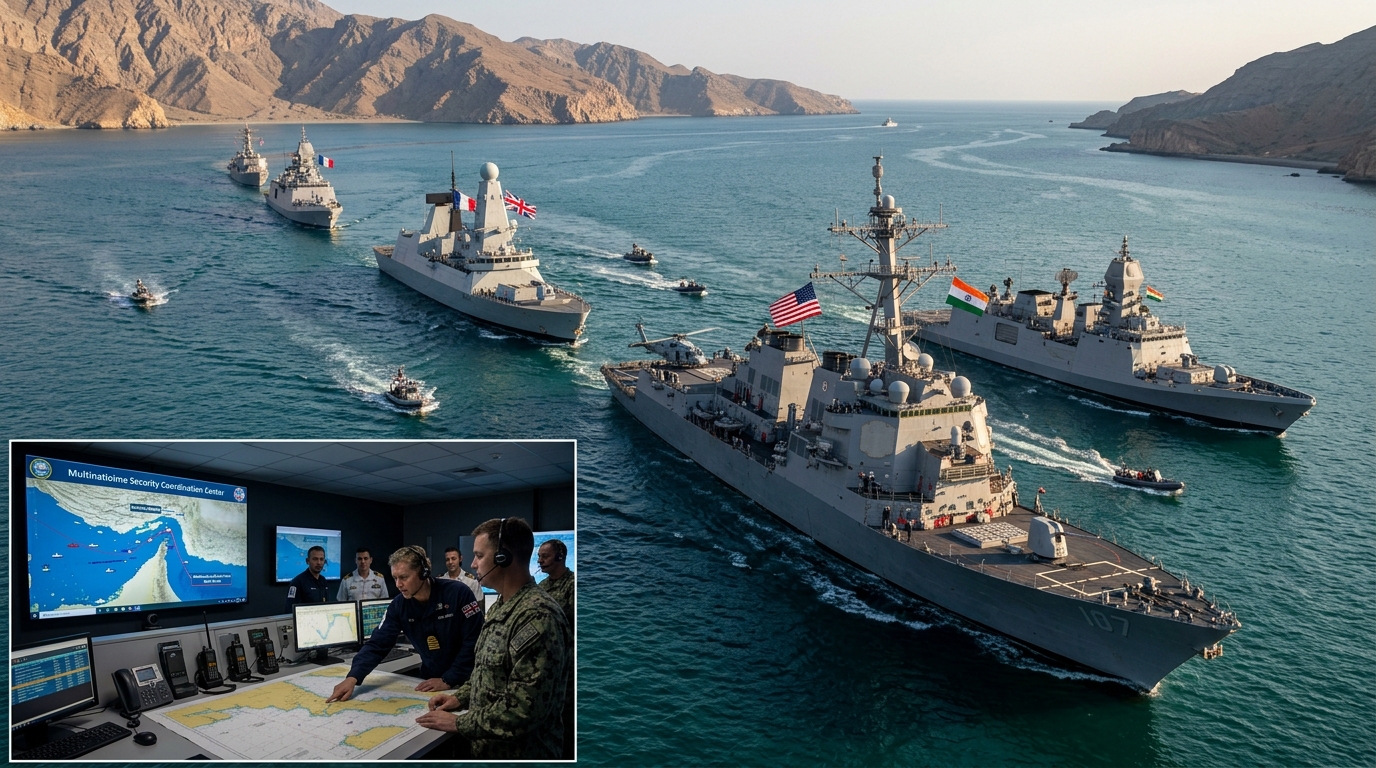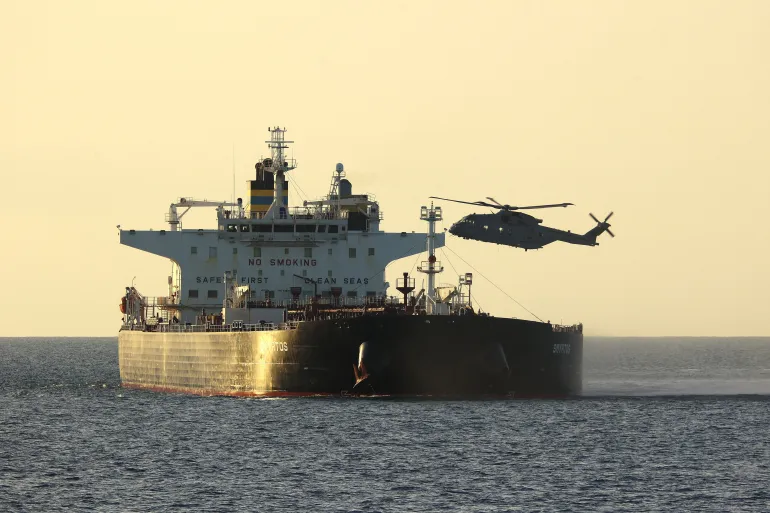
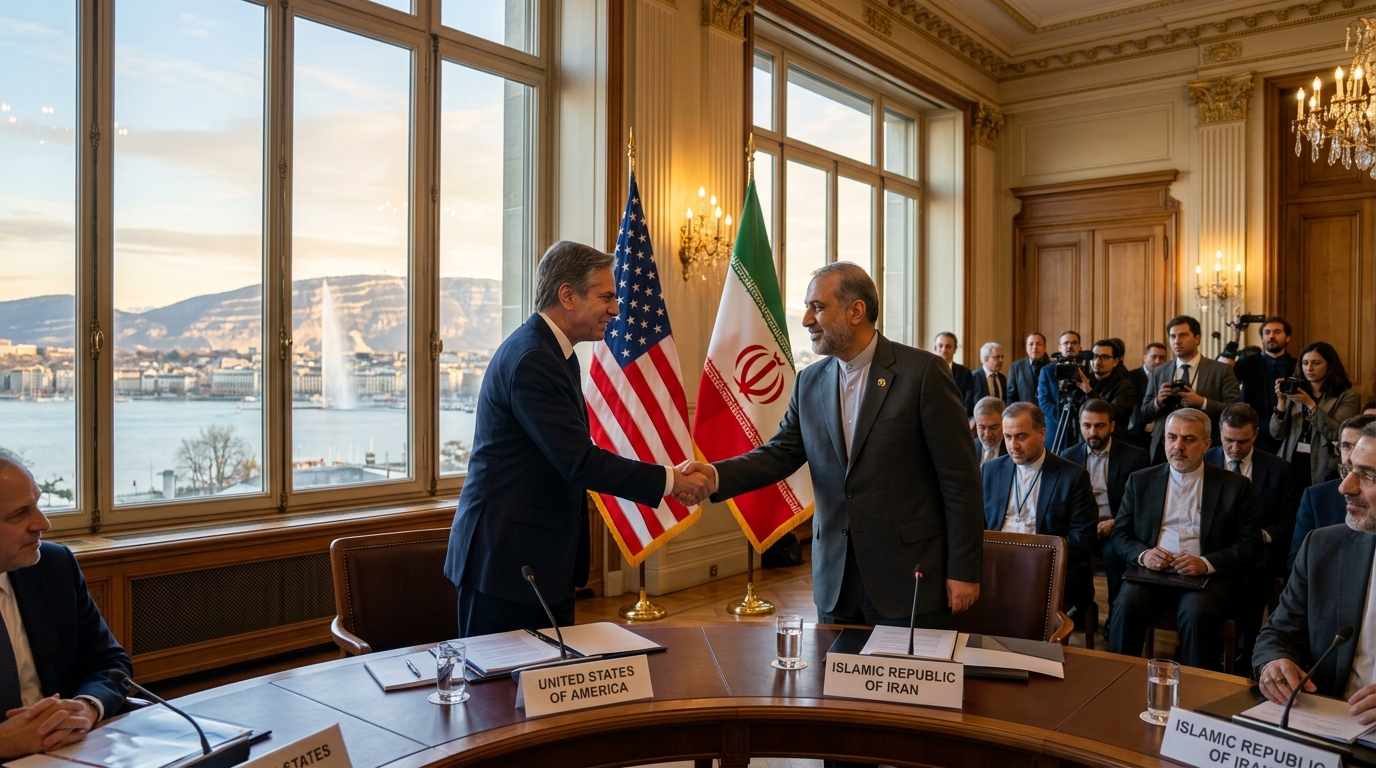
Following months of intensive diplomatic negotiations, the United States and Iran have reached a preliminary agreement to halt their military conflict and establish a framework for sustained peace talks. The memorandum of understanding, brokered with crucial mediation from Pakistan and Qatar, represents a significant breakthrough after more than three months of warfare that destabilized global energy markets and regional security. Under the accord, both nations have committed to a 60-day extension of the existing ceasefire, during which comprehensive negotiations will address permanent resolution mechanisms. The agreement mandates immediate cessation of sporadic military strikes that have persisted despite earlier truce arrangements, and establishes protocols for reopening critical maritime passages, particularly the strategically vital Strait of Hormuz, which has been effectively blockaded since late February when initial hostilities commenced. Energy markets responded positively to the announcement, with crude oil prices declining nearly five percent as traders anticipated restoration of global supply chains and reduced geopolitical risk premiums.
The interim accord addresses several immediate operational concerns while deliberately deferring more contentious long-term issues to the negotiation phase. Iran's nuclear program trajectory, sanctions relief mechanisms, and the status of regional proxy forces remain subjects for future discussion, reflecting the complexity of achieving permanent settlement. The agreement includes provisions for establishing a $300 billion reconstruction fund, partially financed by Gulf Cooperation Council nations, contingent upon Iranian compliance with specified benchmarks. International observers note that while the ceasefire represents diplomatic progress, significant obstacles remain regarding Israeli military operations in Lebanon, where Hezbollah forces continue engaging Israeli troops despite nominal ceasefire arrangements. The accord's success will ultimately depend on whether both parties can translate this preliminary understanding into durable political settlement, a process complicated by domestic political pressures within both nations and the involvement of multiple regional stakeholders with competing interests.