
VoS NEWS DESK | WASHINGTON | 17 NOV 2026
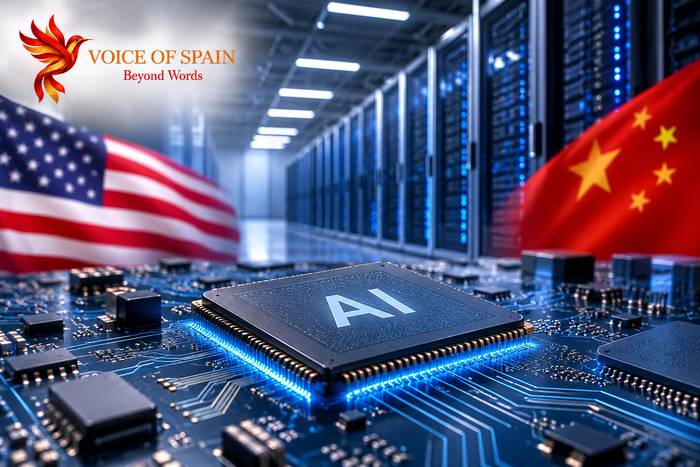
The United States is moving towards tighter controls on China's access to advanced artificial intelligence chips, with particular attention being given to overseas data centres that could provide Chinese companies with access to powerful computing resources. The issue highlights growing concerns in Washington over the international movement of advanced semiconductor technology and its potential implications for national security.
Advanced AI chips have become strategically important because they provide the processing capacity required to develop and operate sophisticated artificial intelligence systems. These processors are essential for training large language models, conducting complex scientific research and supporting high-performance computing applications.
A major concern for US policymakers is that restricting direct exports may not be sufficient if access to similar computing resources remains available through international data centres. Chinese companies could potentially obtain computing capacity by using facilities located outside mainland China, depending on ownership structures, service arrangements and applicable export-control regulations.
The proposed approach reflects an effort to examine not only the physical shipment of semiconductor products but also the international provision of computing services. Overseas cloud infrastructure and data-centre operations have therefore become increasingly important in discussions surrounding technology restrictions.
The development also presents challenges for international technology companies. Businesses operating data centres across multiple countries may face additional compliance responsibilities if new rules extend existing restrictions to certain computing services, customers or commercial arrangements. Such requirements could affect investment decisions and the operation of global cloud-computing networks.
The United States has previously introduced restrictions on the export of advanced semiconductor technology to China, arguing that certain high-performance computing capabilities could have military and strategic applications. Beijing has criticised American technology restrictions, describing them as measures that interfere with normal international trade and economic cooperation.
China has meanwhile continued investing in its domestic semiconductor industry, artificial intelligence research and alternative computing infrastructure. Its efforts to strengthen technological independence have become a central part of its broader economic and industrial strategy.
The latest developments underline how competition between Washington and Beijing increasingly extends beyond conventional trade disputes. Semiconductor manufacturing, artificial intelligence infrastructure, cloud computing and access to advanced processing technology are now central elements of the wider geopolitical relationship.
The new measures were issued by the US Department of Commerce's Bureau of Industry and Security on 16 November 2026 and took effect immediately. Under the rules, overseas data centres serving companies in China and several other restricted countries must identify their end users. Additional case-by-case licensing requirements also apply to certain advanced chip exports involving Malaysia, Singapore, Indonesia, Thailand and Brazil.
The measures follow concerns that Chinese technology companies could obtain access to American semiconductor technology through third-party operators and overseas computing facilities. The case involving Singapore-based Megaspeed International has also brought greater attention to possible diversion routes involving advanced Nvidia chips.
The new restrictions could have wider implications for international cloud-computing companies, semiconductor manufacturers and data-centre investors. Businesses operating across multiple jurisdictions may need to strengthen customer verification, ownership checks and export-control compliance procedures to avoid violations.
The decision comes amid continuing trade and technology tensions between Washington and Beijing. Both countries remain important players in the global semiconductor supply chain, while international businesses face increasing pressure to navigate competing regulatory requirements.
VoS STRATEGIC INSIGHT
Artificial intelligence has become a central component of international economic and national security policy. Washington's decision to regulate remote access to advanced computing infrastructure demonstrates that technology restrictions are expanding beyond physical exports into cloud services and overseas data-centre operations. The development could reshape international investment, semiconductor distribution and the future structure of the global AI industry.