
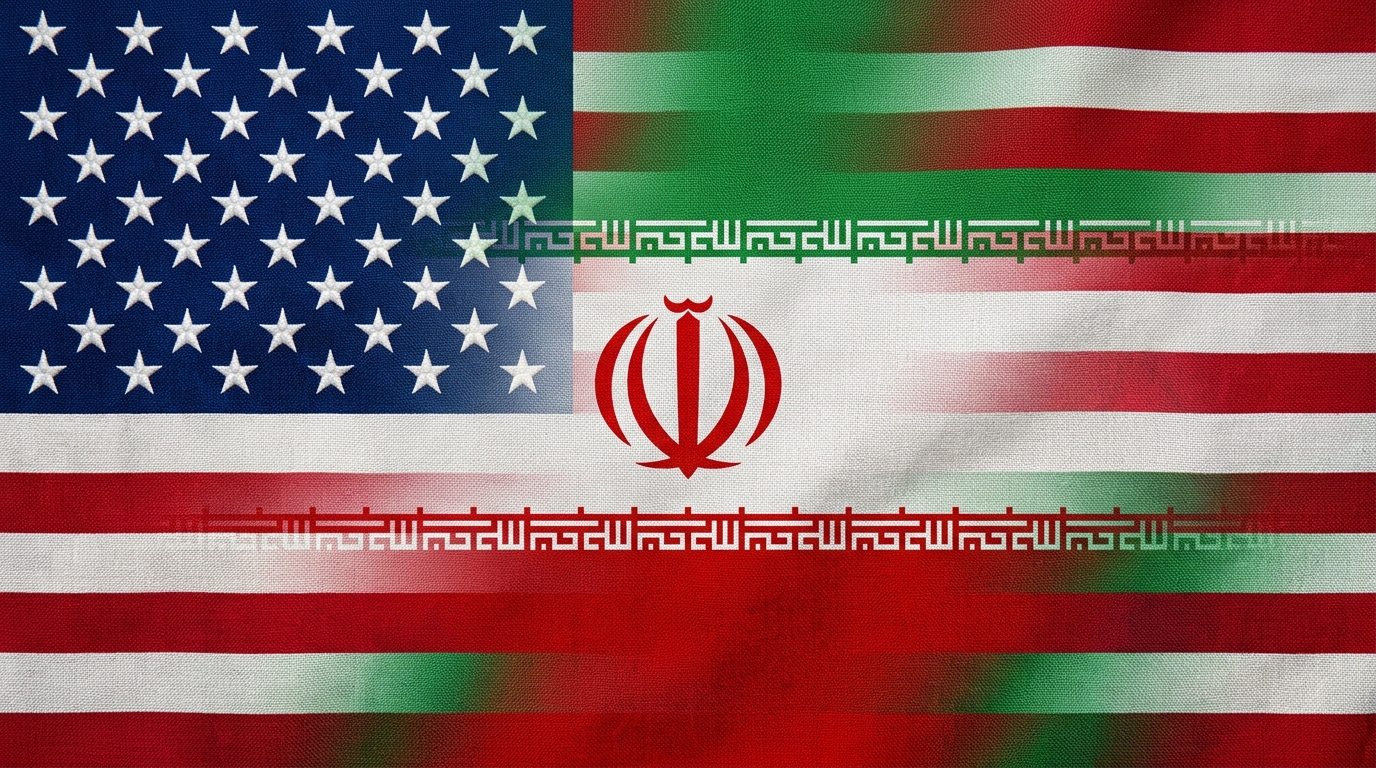
A pivotal round of technical-level negotiations between the United States and Iran commenced on Sunday in the Swiss alpine resort of Burgenstock, marking a critical juncture in efforts to transform a preliminary ceasefire agreement into a lasting regional peace framework. The Iranian delegation, led by Parliament Speaker Mohammad Bagher Ghalibaf and Foreign Minister Abbas Araghchi, arrived in Switzerland late Saturday evening, hours before US Vice President JD Vance departed Washington for the talks. The negotiations represent a follow-up to the memorandum of understanding signed earlier in the week by President Donald Trump and Iranian President Masoud Pezeshkian, which declared a permanent cessation of military operations across all theaters of conflict, including the volatile Lebanon front. Pakistani and Qatari mediators joined the discussions, with Pakistan's Prime Minister Shehbaz Sharif and army chief Field Marshal Asim Munir participating in the technical-level talks. Vance expressed cautious optimism before his departure, stating that significant work remained to be accomplished, particularly regarding Iran's nuclear weapons ambitions and the fragile ceasefire between Israel and Hezbollah in Lebanon. The talks were originally scheduled for Friday but were postponed after Israel launched devastating strikes in Lebanon following the deaths of four Israeli soldiers in combat, killing dozens of Lebanese civilians and threatening the nascent peace agreement.
The negotiations unfolded against a backdrop of escalating tensions and mutual accusations of ceasefire violations. Iran's military command announced the closure of the Strait of Hormuz, a critical global shipping artery through which approximately one-fifth of the world's oil and liquefied natural gas supplies transit, citing alleged breaches of the ceasefire agreement by both the United States and Israel. The Iranian leadership warned that the strategic waterway would remain closed until Israel ceased its bombardment of southern Lebanon and the US honored its commitments under the preliminary accord. However, the US military countered that 55 commercial vessels successfully transited the strait on Saturday and that American forces remained "present and vigilant" to ensure compliance with the agreement. President Trump subsequently threatened to impose American tolls on the Strait of Hormuz if a final comprehensive deal was not reached within the stipulated 60-day negotiation period, stating that toll-free passage would only be guaranteed during the interim period. The complex interplay of diplomatic maneuvering, military posturing, and economic leverage underscored the precarious nature of the peace process, with each side employing its strategic assets to pressure the other into compliance. The success of these negotiations would determine whether the region could transition from active warfare to sustained peace, or whether the fragile agreement would unravel under the weight of competing interests and historical grievances.
.png)
.png)
.png)
.png)

.png)
.png)
.png)