VoS NEWS DESK | WASHINGTON | 9 NOVEMBER 2026
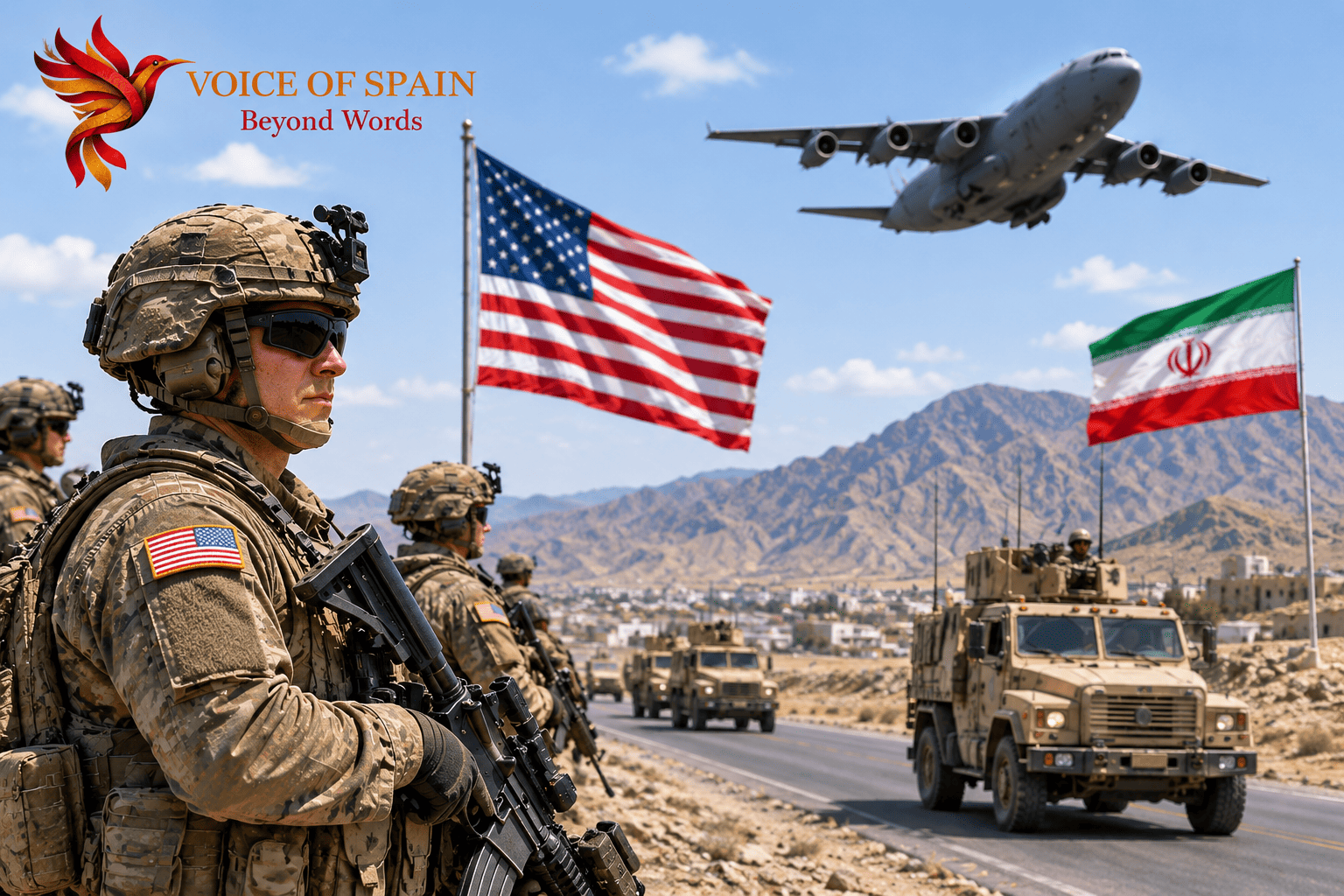
The United States military has announced the creation of a 20-member task force aimed at identifying ways to disrupt land-based supply routes into Iran, marking a potential expansion of Washington’s pressure campaign against Tehran. The initiative comes amid the ongoing US-Iran conflict and an existing American naval blockade targeting Iranian ports, as Washington seeks to restrict the movement of weapons, military equipment and other materials entering the country.
According to the announcement, the task force will examine land transportation networks that the United States believes are being used to move weapons and other restricted materials into Iran. The initiative is intended to strengthen existing enforcement measures and limit Tehran’s ability to obtain supplies that could support its military capabilities.
US Central Command chief Brad Cooper said the task force would further constrain Iran’s ability to finance activities Washington considers threatening, rebuild weapons production facilities and replenish its military resources. The announcement was made on Saturday, 7 November, as the United States continued its broader strategy of applying economic and military pressure on the Iranian government.
The proposed initiative represents an important development because it extends American attention beyond maritime routes and towards the regional transportation networks connecting Iran with neighbouring countries. While the naval blockade focuses on restricting access through Iranian ports, land-based supply routes could provide alternative channels for the movement of commercial goods, industrial materials and potentially military-related shipments.
The task force is expected to examine possible methods of identifying and disrupting these networks. However, the announcement does not establish that a comprehensive land blockade has already been implemented. Its immediate purpose is to develop options and strengthen Washington's ability to monitor and restrict supply movements.
The development also raises questions about the wider regional consequences of expanding restrictions on Iran's transportation links. Neighbouring countries, commercial operators and international shipping companies could face additional complications if enforcement measures are extended to land-based trade networks.
Meanwhile, the ongoing conflict continues to affect international markets, particularly energy supplies and transportation through the strategically important Strait of Hormuz. The waterway remains central to global energy security, making any further escalation between Washington and Tehran a matter of international economic concern.
VoS STRATEGIC INSIGHT
The creation of the task force demonstrates how modern geopolitical pressure increasingly extends beyond conventional military operations. Control over transportation networks, commercial supply chains and access to strategic resources can become powerful instruments of international influence. If Washington moves towards implementing additional restrictions on Iran's land-based supply routes, the consequences could extend beyond Tehran, affecting neighbouring economies, regional trade and international energy security. The effectiveness of this approach will depend on its implementation, regional cooperation and the ability to distinguish restricted military shipments from legitimate commercial trade.