
VoS NEWS DESK | IMMIGRATION & LAW | 13 OCTOBER 2026
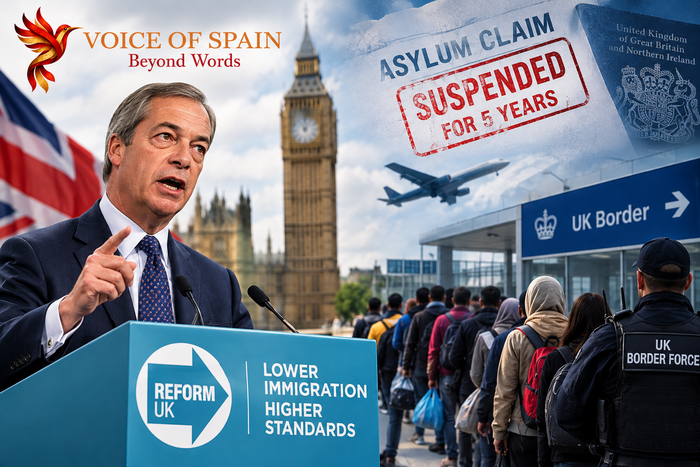
Reform UK has placed immigration enforcement at the centre of its political agenda, arguing that substantial changes are needed to strengthen border controls and address problems within the asylum system. The party’s latest announcement outlines a proposed suspension of asylum claims for up to five years, alongside plans to invalidate around 90,000 applications awaiting decisions and remove individuals whose claims have been rejected.
The proposals would represent a significant change to the UK's current approach to asylum if implemented. However, they remain political commitments rather than enacted law. Their introduction would depend on future political developments, the adoption of appropriate legal measures and the resolution of questions concerning the treatment of people who have already applied for protection.
One of the most consequential elements of the plan concerns the existing backlog of asylum applications. Reform UK has proposed cancelling approximately 90,000 pending cases as part of its intended suspension of the system. This has raised questions about how people awaiting decisions would be treated, particularly those who have not yet received a formal determination of their circumstances.
A pending asylum application is not the same as a rejected claim. Applicants may have different reasons for seeking protection, and their circumstances can vary considerably. Any attempt to introduce a policy affecting such a large number of cases would therefore require decisions about the treatment of existing applications, individual circumstances and any procedures that would remain available.
Reform UK has also proposed deporting unsuccessful applicants to their countries of origin or to third countries considered safe. Farage has suggested that the government could use diplomatic and economic measures, including tariffs and visa restrictions, against countries that refuse to accept the return of their nationals. The proposals form part of the party’s broader approach to increasing pressure on governments that do not cooperate with British deportation arrangements.
Nevertheless, removals can involve complex practical and legal requirements. Authorities may need to secure travel documents, obtain acceptance from destination countries and assess whether an individual can be returned safely. Where a person faces a genuine risk of persecution, torture or other serious harm, the circumstances of that case may raise additional legal issues.
The principle of non-refoulement is particularly relevant to this debate. It prohibits returning a person to a place where they face a real risk of persecution or certain other forms of serious harm. Any future policy would need to be considered in light of the UK's applicable domestic and international legal obligations. The precise legal framework and safeguards would be important in determining how the proposals could operate in practice.
The announcement has also prompted concerns from critics and refugee advocates about the potential humanitarian consequences. They warn that a broad suspension of asylum claims could leave vulnerable people without an effective route to protection and create uncertainty for individuals whose applications have not been decided. Reporting on the proposals has also highlighted concerns about the potential impact on children and families.
Supporters of stricter immigration controls, meanwhile, argue that governments need effective enforcement measures to maintain public confidence, manage irregular migration and ensure that people without a legal right to remain are subject to removal procedures. Reform UK has presented its proposed measures as part of an effort to change the way the country handles asylum and border management.
The debate reflects wider divisions in British politics over immigration policy. Issues including small-boat crossings across the English Channel, delays in processing applications, accommodation for asylum seekers and the removal of people whose claims have failed have continued to attract public and political attention. Different political groups have offered contrasting approaches to enforcement, refugee protection and the administration of the asylum system.
Reform UK’s proposal also raises questions about the practical resources needed to implement such a substantial policy change. Processing or cancelling large numbers of cases, organising removals and responding to legal challenges would require administrative capacity and cooperation with other countries. The effectiveness of any future system would depend not only on the policy announced but also on the rules, procedures and resources used to carry it out.
The proposals do not immediately alter the rights or legal status of people currently seeking asylum in the United Kingdom. Reform UK would need to enter government and take further steps before its proposed approach could become policy. Until then, the announcement remains part of the political debate ahead of the next general election, which is due by 2029.
VoS STRATEGIC INSIGHT
Reform UK’s proposal highlights the difficult balance between immigration enforcement, public confidence and the protection of people seeking international asylum. The debate involves not only border control but also the treatment of pending applications, the practical arrangements for deportation and the legal safeguards available to individuals who may face persecution or serious harm.
The proposed five-year suspension would raise significant questions about how asylum claims are assessed, how existing cases are handled and how the government would meet its legal responsibilities. The consequences would depend on the precise wording of any future legislation, the procedures established by authorities and the safeguards retained for vulnerable applicants.
It is also important to distinguish political announcements from changes in law. Reform UK has outlined its intended approach, but the proposals do not themselves introduce a suspension or authorise the immediate deportation of pending applicants. Their future would depend on electoral outcomes and subsequent legal and administrative decisions.
Ultimately, the UK's immigration debate will continue to involve competing priorities: effective enforcement, orderly administration, public confidence and the protection of people who genuinely require international protection. How those responsibilities are balanced would be central to any substantial reform of the asylum system.
Source: Reuters — UK’s Farage Pledges to Suspend Asylum Claims for Up to Five Years | The Guardian — Report on Reform UK's Proposed Asylum and Deportation Policy