VoS NEWS DESK | WASHINGTON | 9 NOVEMBER 2026
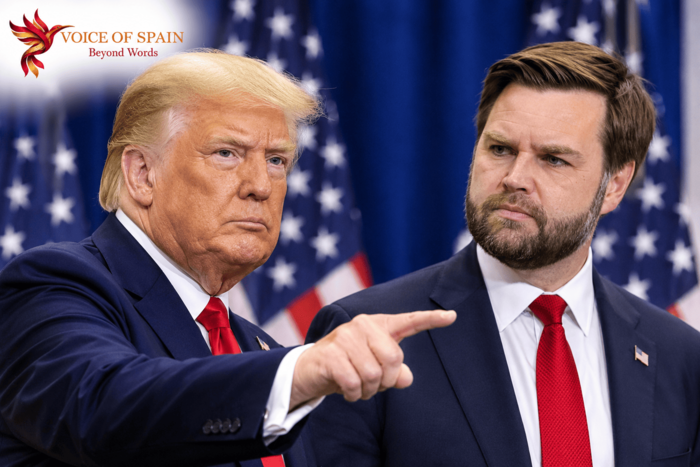
US President Donald Trump has acknowledged that his administration's deportation policy may have been too strict, signalling a possible change in the country's immigration approach following significant Republican losses in the November midterm elections. His remarks have raised questions about the future of immigration enforcement and whether undocumented migrants who have established employment and contributed to the American economy could receive greater consideration under a potential agreement with Democrats.
Speaking during an interview with CBS News' 60 Minutes, broadcast on 8 November, Trump admitted that the administration's aggressive deportation strategy had created political difficulties. He suggested that while efforts to strengthen border security and remove individuals involved in serious criminal activities had received public support, the wider enforcement campaign had also affected people whose only immigration violation was entering or remaining in the United States unlawfully.
Trump specifically referred to undocumented workers employed in landscaping companies, hotels and other service industries. He acknowledged that some of these individuals have maintained regular employment and, in certain cases, paid taxes despite lacking legal immigration status. The president recognised that public opinion remains divided over whether such individuals should automatically face deportation or be considered for alternative immigration arrangements.
The interview followed the Republican Party's losses in the November midterm elections, which are expected to reshape the political balance in Washington. Trump suggested that immigration had both helped and harmed his party electorally, arguing that although border security remained a strong point of his administration, the deportation campaign had alienated some voters.
He also expressed willingness to negotiate an immigration agreement with congressional Democrats, who are preparing to take control of both chambers of Congress. However, the president did not announce a formal policy change or provide details about eligibility requirements, legal protections or possible pathways to residency for undocumented workers.
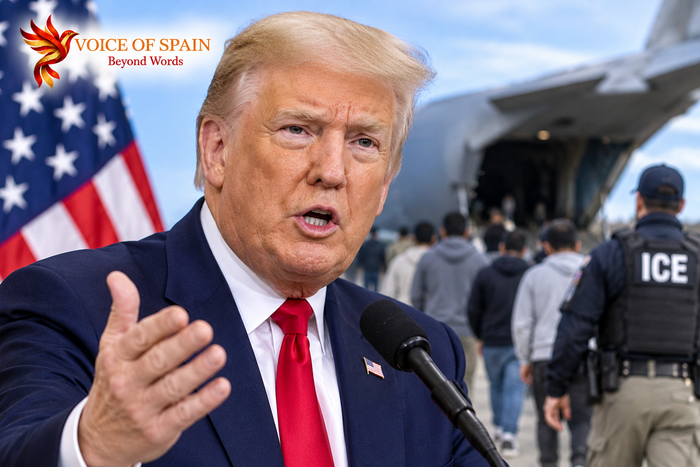
The possibility of negotiations comes as immigration enforcement operations continue to attract national attention. Increased arrests, workplace operations and detention practices have generated criticism from migrant advocacy organisations and civil rights groups. Democrats have indicated that oversight of Immigration and Customs Enforcement and the Department of Homeland Security will be among their priorities in the new Congress.
There is also uncertainty within the administration about the direction of future policy. Trump recently announced that Stephen Miller, a prominent architect of his restrictive immigration agenda, would replace Susie Wiles as White House chief of staff. The appointment has attracted attention because Miller has been closely associated with the administration's tougher deportation measures.
For millions of migrants living and working in the United States, Trump's comments have raised the possibility of a new immigration debate. Nevertheless, until concrete legislation or administrative measures are introduced, existing immigration laws and enforcement procedures remain in place.
VoS STRATEGIC INSIGHT
The debate over US immigration enforcement increasingly reflects the relationship between border security, labour market requirements and economic contributions made by migrant workers. Any agreement between the Trump administration and congressional Democrats could influence the future of millions of undocumented residents. However, political statements alone do not establish a pathway to legal status. The practical outcome will depend on legislative negotiations, eligibility requirements and the administration's future enforcement priorities.