VoS NEWS DESK | INTERNATIONAL AFFAIRS & CLIMATE CRISIS | 6 NOVEMBER 2026
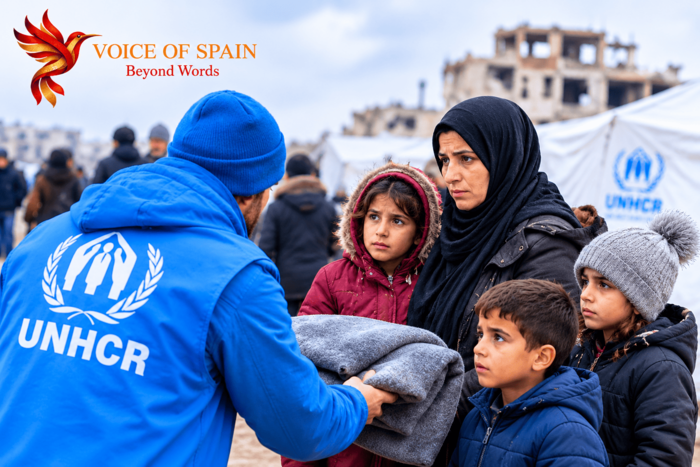
GENEVA: The latest UNHCR findings have brought renewed attention to the growing environmental risks facing millions of displaced people worldwide. According to the agency, nearly three-quarters of the world's forcibly displaced population are living in countries highly exposed to climate-related hazards. These include countries such as Afghanistan and Bangladesh, where communities are increasingly vulnerable to extreme weather conditions, water shortages, flooding and prolonged periods of drought. The findings underline how climate change is adding another layer of uncertainty to the lives of people who have already been forced to leave their homes because of conflict, violence and persecution.
The report highlights that climate change is no longer simply an environmental concern for displaced populations but has become an increasingly important factor affecting their safety, livelihoods and future prospects. People who escape armed conflicts often find themselves in regions where access to clean water, food, healthcare and adequate shelter is already limited. When droughts, floods or extreme heat affect these locations, the pressure on local infrastructure and humanitarian assistance increases further. As a result, displaced families can face repeated hardships even after reaching places where they initially expected to find safety.
UNHCR has also warned that climate-related dangers are affecting the possibility of refugees returning safely and sustainably to their countries of origin. During the first half of 2026, more than two-thirds of refugee returns took place to countries highly exposed to climate hazards. This raises concerns about whether returning families will be able to rebuild their lives in areas where environmental conditions continue to threaten housing, agriculture, water supplies and economic stability.
Syria is among the examples highlighted in the wider discussion of climate-related challenges facing returning populations. Returning Syrians are encountering problems associated with water scarcity, unpredictable rainfall and flooding. Such conditions can make it difficult for families to restore agricultural activities, secure stable incomes and access essential resources. Even when security conditions improve sufficiently for people to consider returning, environmental pressures may create additional obstacles to long-term recovery.
Extreme heat is another growing concern identified by the UN refugee agency. Its findings warn that dangerous temperatures could affect one in three refugee settlements in sub-Saharan Africa for at least 100 days annually by 2050. Such prolonged exposure could place serious pressure on health services, sanitation facilities, water supplies and living conditions. Children, older people and individuals with limited access to healthcare are particularly vulnerable to the consequences of extreme temperatures in overcrowded settlements.
The situation could become more challenging if forecasts of a strong El Niño event materialise and intensify weather-related risks in already vulnerable regions. UNHCR has highlighted the possibility that severe flooding in East Africa could displace up to three million additional people by the end of the year. This potential development demonstrates how climate-related disasters can trigger further population movements, particularly in areas where communities have limited financial resources and weak disaster-preparedness systems.
The agency has also raised concerns about the unequal distribution of international climate finance. According to its findings, only around 10 per cent of climate finance reaches fragile and conflict-affected countries, despite their substantial exposure to environmental threats. This funding gap creates difficulties for governments and humanitarian organisations attempting to strengthen infrastructure, improve water management, establish early-warning systems and protect vulnerable communities from extreme weather events.
The findings have emerged shortly before COP31, the United Nations climate conference scheduled to take place in Antalya, Türkiye, from 9 to 20 November 2026. The summit is expected to bring together representatives from more than 190 countries to discuss international climate commitments, financial assistance and practical measures for addressing the consequences of global warming. The growing vulnerability of displaced populations is likely to remain an important humanitarian issue within wider discussions about climate adaptation and international cooperation.
UNHCR Assistant High Commissioner for Operations Anton Leis Garcia has emphasised that climate adaptation in fragile and displacement-affected areas is a matter of survival. The agency's warning reinforces the need for international organisations, national governments and development institutions to ensure that climate policies also address the needs of refugees and communities affected by forced displacement.
VoS STRATEGIC INSIGHT
The warning concerning nearly 90 million displaced people demonstrates that the global displacement crisis is becoming increasingly connected to environmental instability. Traditionally, international responses to forced migration have focused heavily on armed conflict, political instability, persecution and economic insecurity. However, climate change is creating additional pressures that can make displacement more complicated and reduce the possibility of achieving long-term solutions.
One of the most significant concerns is the situation of people returning to their countries after periods of displacement. Returning home does not necessarily mean that families can immediately rebuild their lives. Water shortages, damaged agricultural land, unpredictable rainfall and extreme temperatures can undermine recovery efforts and create further humanitarian needs. This makes climate resilience an essential part of sustainable refugee return programmes.
The international climate-finance gap also raises questions about global priorities. Countries experiencing conflict and displacement often have limited resources to invest in environmental protection and disaster preparedness. Greater financial assistance, improved infrastructure and stronger cooperation between humanitarian and climate organisations will therefore be necessary to reduce future risks.
COP31 provides an important opportunity for governments to address the connection between climate change and forced displacement. Climate adaptation strategies will need to include refugee settlements, vulnerable host communities and areas receiving returning populations rather than concentrating exclusively on national infrastructure and economic development.
Ultimately, protecting displaced populations requires more than emergency shelter and humanitarian assistance. Long-term solutions must also address environmental vulnerability, access to essential services and the ability of communities to withstand future climate shocks. The UNHCR warning makes clear that climate resilience is becoming an increasingly important part of international humanitarian policy.