VoS NEWS DESK | WASHINGTON | 9 NOVEMBER 2026
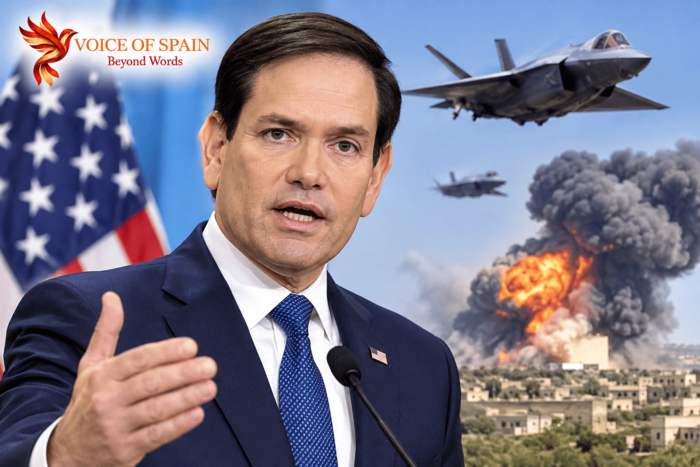
US Secretary of State Marco Rubio has strongly defended President Donald Trump's decision to launch military action against Iran, arguing that confronting Tehran's nuclear ambitions was necessary despite the political unpopularity and economic consequences of the prolonged conflict. His remarks come at a particularly sensitive moment for the Trump administration, as the war continues to influence American domestic politics, international energy markets and diplomatic relations across the Middle East.
Speaking to journalists at Homestead Air Reserve Base in Florida on Sunday, 8 November, before travelling to France for the Group of Seven foreign ministers' meeting in Paris, Rubio maintained that the American president had identified a serious national and international security threat. He argued that preventing Iran from obtaining nuclear weapons justified taking difficult decisions, even when those decisions were unpopular among sections of the American public.
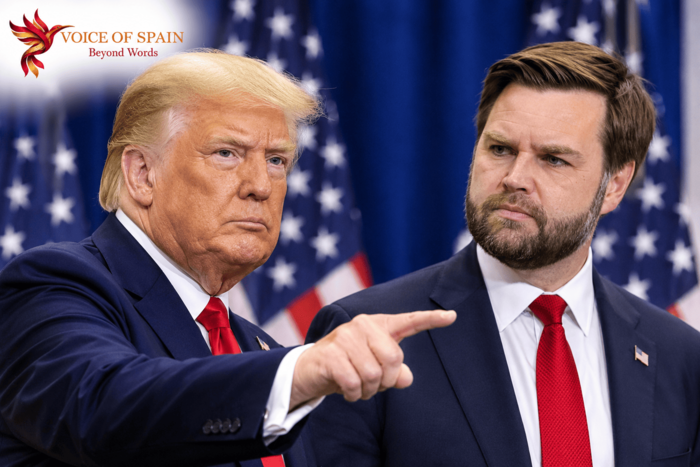
Rubio's comments followed criticism from Vice President JD Vance, who had linked the Republican Party's recent electoral losses to the political and economic consequences of the Iran conflict. The disagreement has highlighted growing differences within the Republican leadership over the costs of continuing the war and its impact on the administration's political position.
The conflict has placed additional pressure on American households through higher energy prices, particularly following disruptions to commercial shipping through the strategically important Strait of Hormuz. Before the war, approximately one-fifth of the world's oil supplies passed through the waterway, making its disruption a major concern for international energy markets.
Rubio also acknowledged that diplomatic efforts had not yet produced a significant breakthrough. He said the Iranian conditions for negotiations remained unacceptable to Washington. These reportedly include ending the American blockade of Iranian ports, lifting economic sanctions, releasing frozen Iranian assets, providing compensation for war damage and securing a wider regional ceasefire.
Despite the lack of progress, the US administration continues to indicate that a diplomatic agreement remains preferable to renewed large-scale military operations. President Trump has suggested that further strikes could become unnecessary if negotiations produce an agreement acceptable to Washington. However, he has also warned that American forces have identified infrastructure targets, including 38 bridges, should military operations resume.
Meanwhile, the United States has continued limited military actions against Iranian positions and recently disabled a commercial vessel that Washington accused of attempting to breach its naval blockade. Rubio maintained that American forces would defend themselves and protect shipping if faced with an immediate threat.
The latest statements underline the difficult position facing the Trump administration as it attempts to maintain military pressure while exploring diplomatic options. Iran's nuclear programme, regional security concerns and the future of maritime trade remain central obstacles to a lasting settlement.
VoS STRATEGIC INSIGHT
The continuing US-Iran confrontation illustrates the growing difficulty of balancing national security objectives with economic stability and diplomatic engagement. Rubio's defence of the war reflects Washington's determination to prevent Iran from developing nuclear weapons, but the political disagreements within the American leadership suggest that sustaining public and institutional support could become increasingly challenging. Any future agreement will require difficult compromises over nuclear restrictions, sanctions, regional security and maritime access. The outcome will have significant implications for the Middle East, global energy markets and the wider international balance of power.