
World
 Back to home
.png)
.png)
.png)
.png)
.png)
.png)

.png)
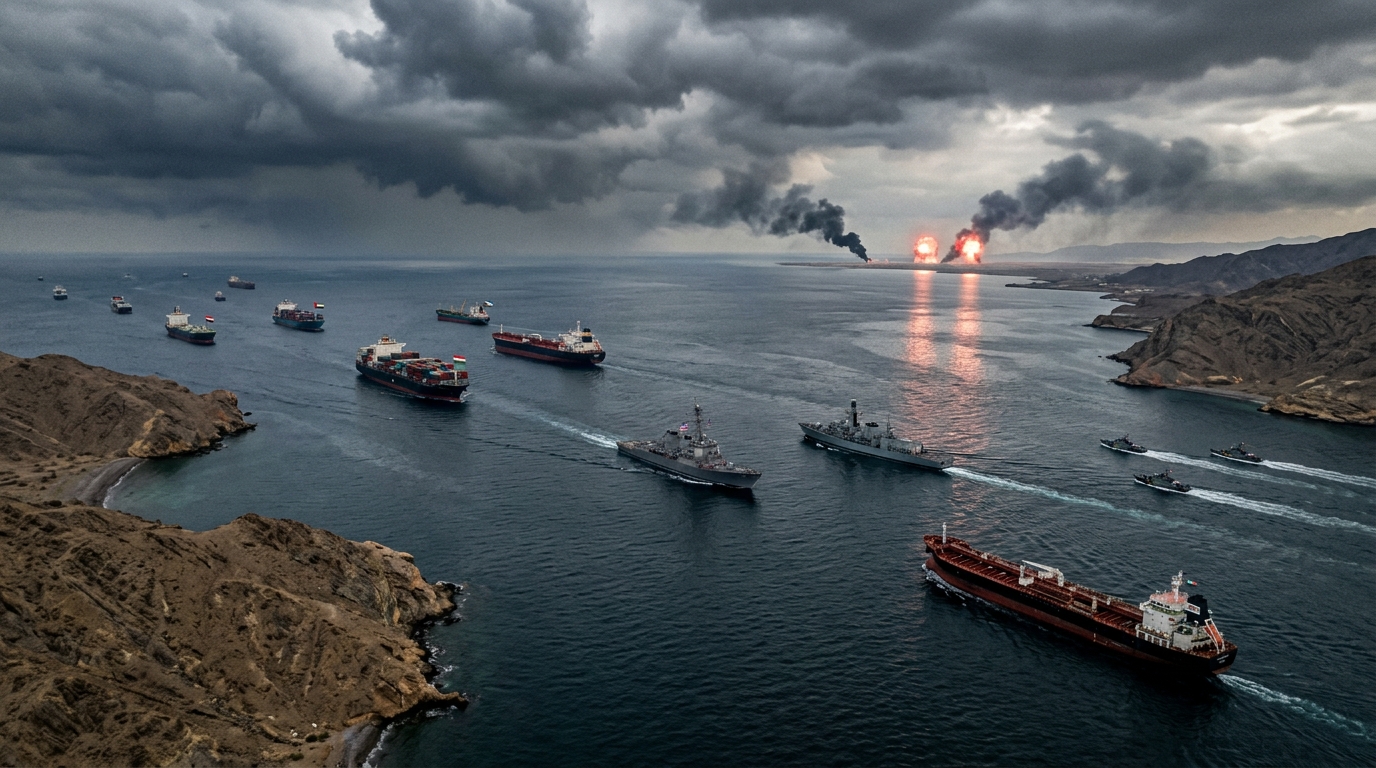
Gulf Tensions Escalate as Iran and US Exchange Military Fire Over Strategic Waterway
The fragile ceasefire between the United States and Iran has been tested once again as both nations engaged in a significant military exchange in the Persian Gulf region. According to Bahrain's government, Iran launched ballistic missiles and drones targeting both Bahrain and Kuwait, while the U.S. military responded by shooting down Iranian aerial assets and striking Iranian coastal radar installations. This latest confrontation represents the 100th day of active hostilities between the two powers, a conflict that has already inflicted substantial economic damage globally and threatens to exacerbate humanitarian crises in vulnerable regions. The Trump administration has intensified diplomatic efforts to broker a comprehensive peace agreement, with Treasury Secretary Scott Bessent directing assessments of reconstruction costs for Gulf allies damaged by Iranian military operations.
The recurring military skirmishes underscore the precarious nature of current negotiations, as both sides maintain hardline positions despite months of indirect talks. International observers note that the conflict has disrupted global energy markets, strained supply chains, and diverted critical resources from development initiatives in impoverished nations. Pakistan has emerged as a key mediator in these negotiations, with high-level diplomatic missions attempting to bridge the widening gap between American and Iranian positions. The international community remains deeply concerned that further escalation could trigger a broader regional conflict with catastrophic consequences for global stability and economic prosperity.
Enjoyed this article?
Subscribe to get exclusive news and daily updates delivered to your inbox.
Related News
Congo’s Ebola Outbreak Accelerates as Death Toll Surpasses 2...
Philippines’ $54 Billion Borrowing Plan Raises Private-Secto...
China-Linked Hackers Accused of Using AI in Major Cyberattac...
Zambia Heads to the Polls as Economic Reforms Face a Major T...
China Reports Failure of Long March 7A Rocket Launch
New Neuroproteomics Facility Opens New Frontiers in Neurodeg...
Millions of Books Destroyed in Ukraine as War Devastates Pub...