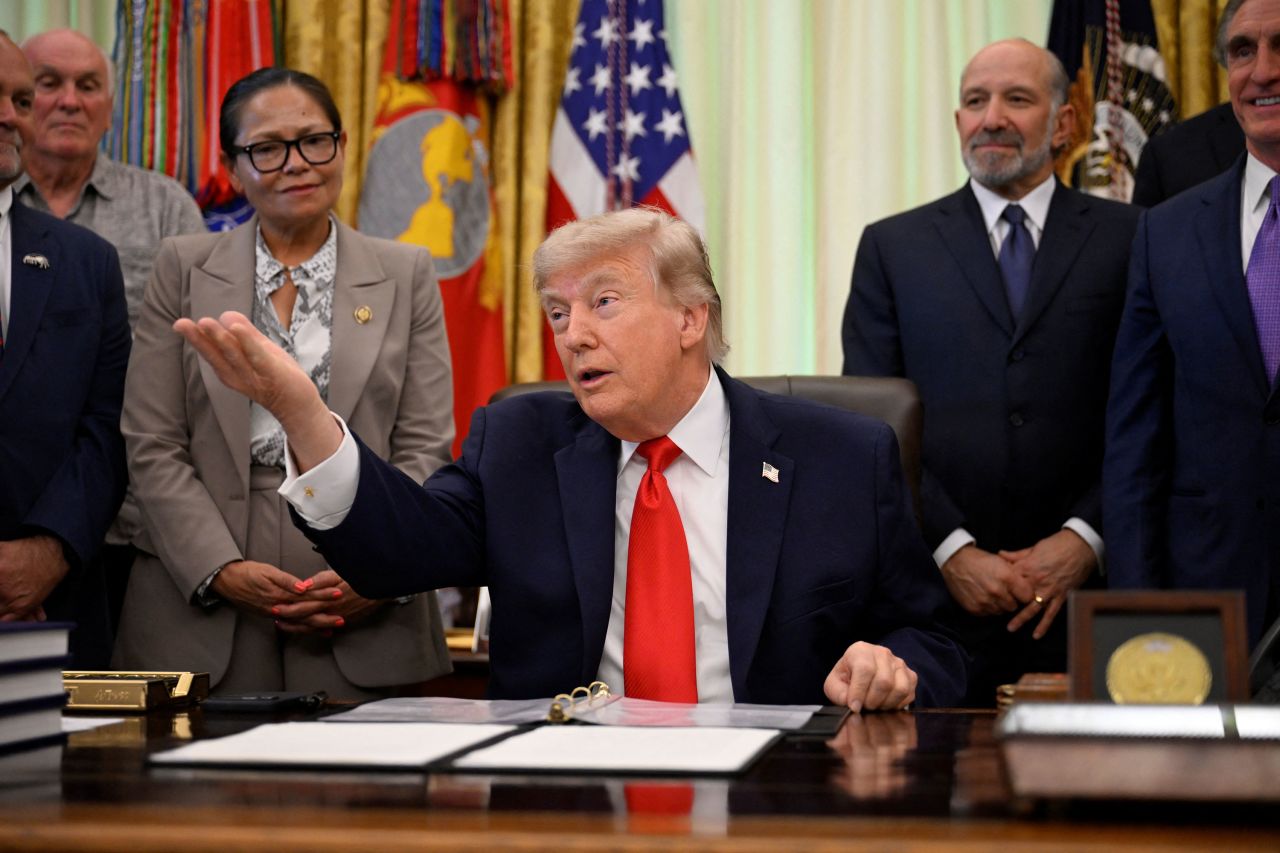
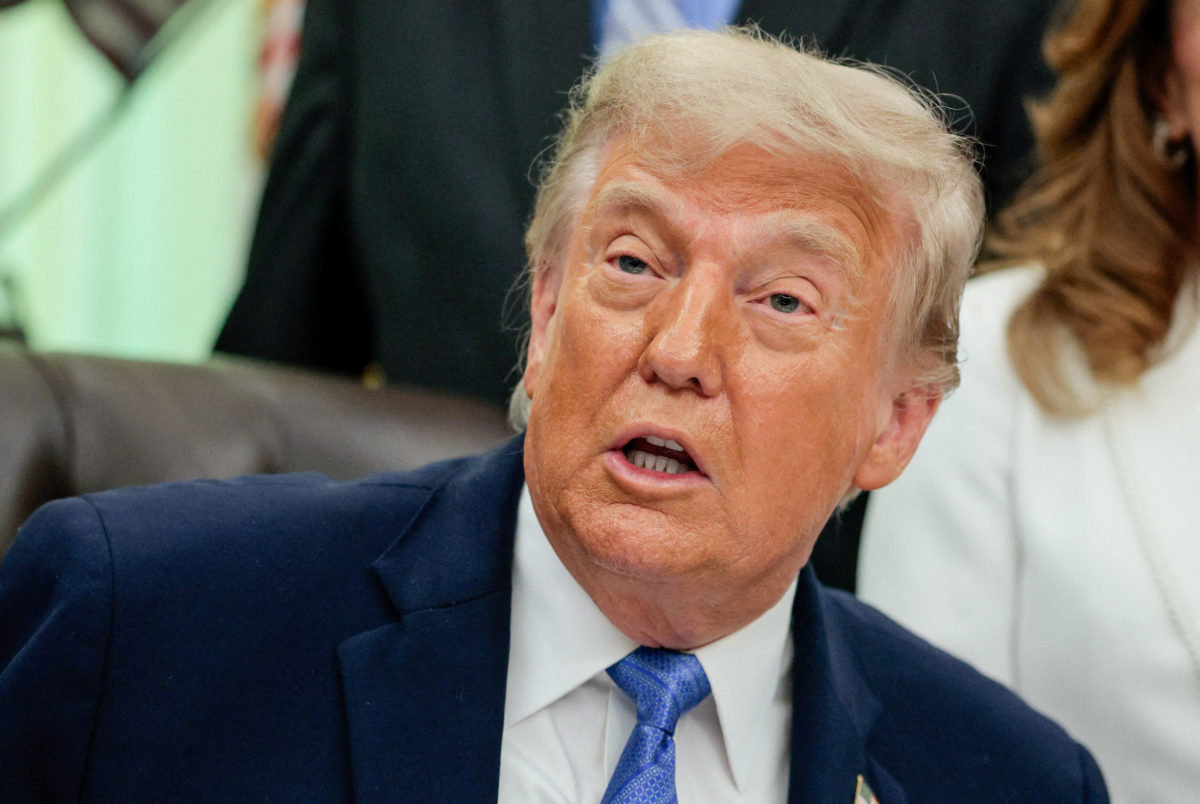
President Donald Trump has threatened to take "total control" of Iran's oil industry through major military strikes, escalating rhetoric and military actions in the ongoing US-Iran conflict that has destabilized the Middle East and threatened global energy security. The threat represents an unprecedented assertion of American power projection and reflects the Trump administration's willingness to employ extreme measures to pressure Iran and reshape regional geopolitical dynamics. The statement follows multiple rounds of US military strikes against Iranian targets and Iranian retaliatory attacks, creating a dangerous cycle of escalation that risks broader regional conflict involving multiple nations and non-state actors. Trump's explicit threat to seize Iranian oil resources represents a dramatic departure from traditional international law principles regarding national sovereignty and territorial integrity, suggesting the administration's determination to fundamentally alter regional power balances. The threat has alarmed international observers, including traditional American allies concerned about the implications of such aggressive rhetoric and potential military actions. Global energy markets have responded volatilely to the escalating tensions, with oil prices fluctuating based on perceptions of conflict intensity and potential disruptions to Middle Eastern oil supplies.
The Trump administration's aggressive posture toward Iran reflects broader strategic objectives including containing Iranian regional influence, protecting Israeli interests, and reasserting American dominance in Middle Eastern affairs. However, the escalating military confrontation has created humanitarian crises, displaced populations, and destabilized multiple countries in the region. International diplomatic efforts to negotiate ceasefire agreements have been complicated by the military escalation and hardline positions adopted by both American and Iranian leadership. Pakistan has attempted to position itself as a potential mediator, though the military escalation has undermined diplomatic initiatives. The threat to seize Iranian oil resources raises questions about American intentions regarding long-term occupation or control of Iranian territory, with implications extending far beyond immediate military operations. Regional powers including Saudi Arabia, the UAE, and Israel are carefully monitoring developments, calculating how the conflict's trajectory might affect their strategic interests and security concerns. The escalating rhetoric and military actions suggest that the US-Iran conflict could intensify further, with potentially catastrophic consequences for regional stability, global energy security, and international relations. The international community faces pressure to engage in diplomatic efforts to de-escalate tensions and prevent the conflict from expanding into a broader regional war.
.webp)
.jfif)