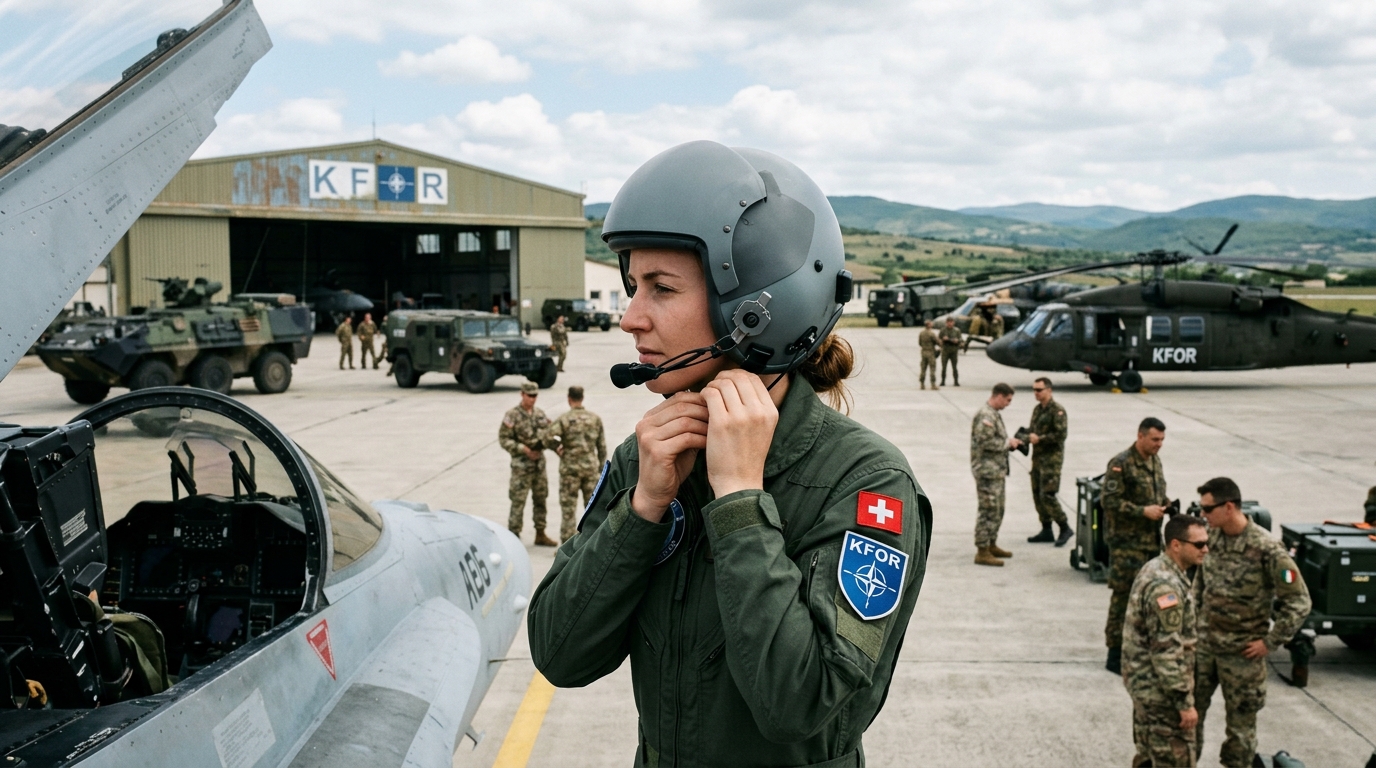
NATO has announced plans to gradually adjust the force strength of its Kosovo Force (KFOR) peace support mission over the coming year, reflecting evolving security assessments and strategic priorities within the Balkans region. The decision represents a significant shift in NATO's long-term commitment to Kosovo, where the alliance has maintained a military presence since 1999. Military planners have determined that current force levels can be gradually reduced while maintaining sufficient capability to respond to potential security threats. The adjustment reflects NATO's assessment that the security environment in Kosovo has stabilized sufficiently to permit measured force reductions. However, the alliance has emphasized that any reductions will be implemented cautiously, with continuous monitoring of regional developments and rapid response capabilities maintained. The decision has generated mixed reactions from Kosovo's government and regional stakeholders, with some expressing concern about potential security implications. NATO officials have emphasized that the adjustment represents a long-term strategic recalibration rather than a precipitous withdrawal.
The gradual force adjustment reflects broader NATO discussions about resource allocation, burden-sharing among member states, and the appropriate level of military commitment to various regional missions. The decision occurs amid broader geopolitical tensions in Europe and competing demands for NATO resources and attention. Military analysts have noted that the adjustment requires careful coordination with Kosovo's security forces to ensure continuity of peacekeeping operations. The process will involve enhanced training and capacity-building for Kosovo's own security institutions to assume greater responsibility for regional stability. International observers have emphasized the importance of maintaining NATO's credibility and commitment to regional security despite force reductions. The adjustment will be implemented in phases, with regular assessments determining the pace and extent of force reductions. Regional stakeholders have been consulted regarding the adjustment, though some have expressed reservations about the timeline and implications. The decision reflects NATO's confidence in the progress achieved through decades of peacekeeping operations in Kosovo. However, security analysts have noted that regional tensions and potential for renewed conflict remain, requiring continued vigilance. The gradual adjustment represents a balance between recognizing progress achieved and maintaining sufficient military presence to deter potential threats.
.webp)
.jfif)