
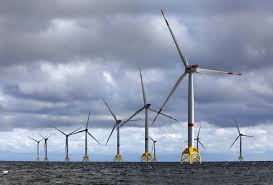
Spain is accelerating its transition into offshore wind energy to harness abundant offshore resources, a recent study has revealed that beneath the spinning blades, an unexpected alliance between technology and nature is taking root—one that could help power a greener future while nurturing the ocean's resilience.
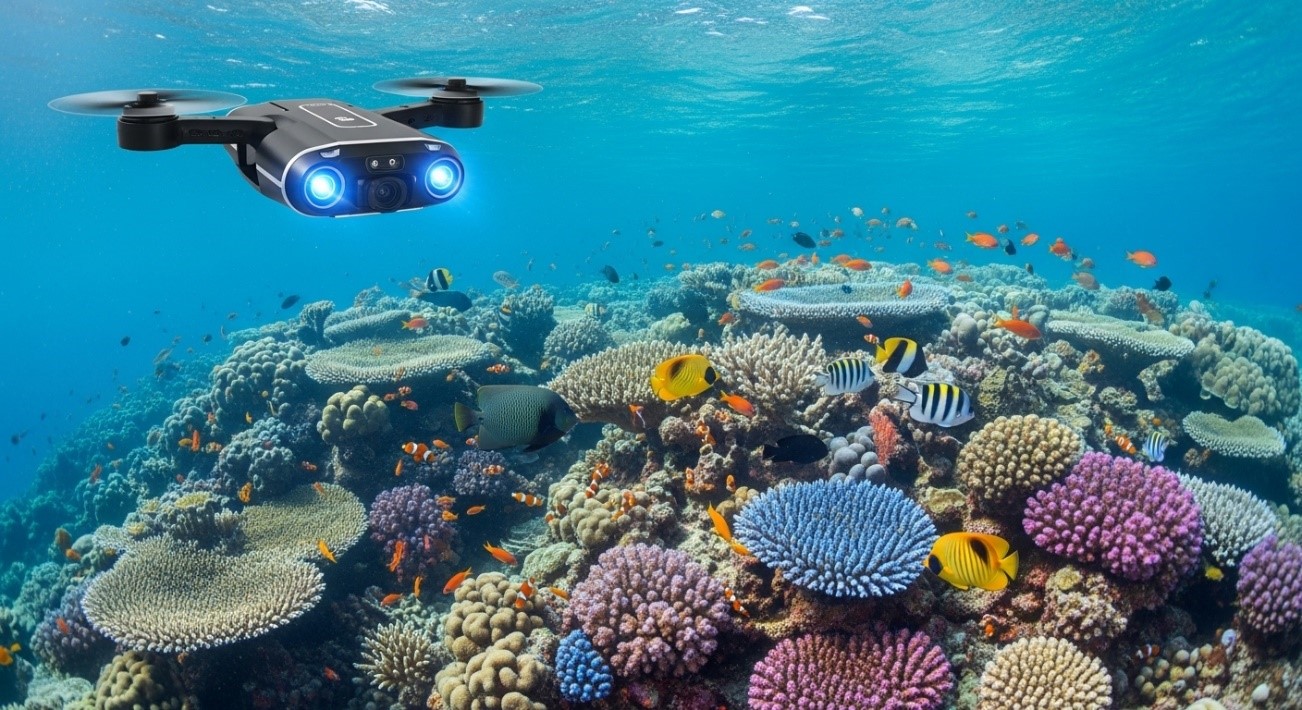
Recent scientific research conducted across the waters of the United Kingdom and continental Europe has uncovered a remarkable phenomenon that has astonished marine experts: large-scale offshore wind farms are inadvertently becoming havens for fish and other marine life.
Wind turbines—towering structures equipped with massive rotating blades designed to convert wind energy into electricity—are typically deployed in offshore locations to capitalise on stronger, more consistent wind resources. Initially, environmental scientists expressed concern that these industrial installations might disrupt delicate marine ecosystems. To assess the potential impact, researchers launched a comprehensive, multi-year study involving systematic underwater observations, video documentation, and rigorous data collection around turbine sites.
What they discovered defied expectations. Beneath the turbine foundations, marine biodiversity began to flourish. The process unfolded in stages: microscopic organisms and algae first colonised the submerged support structures, creating a biological base. Small fish then arrived to feed on these primary producers, followed by larger predatory species, gradually establishing a complete and self-sustaining food web.
A second critical factor emerged: most offshore wind farm zones enforce strict no-fishing regulations. This de facto protection transforms the areas into marine sanctuaries, shielding inhabitants from commercial trawling, net entanglement, and excessive human activity. In this undisturbed environment, fish populations not only survive but thrive and reproduce more successfully.
After sustained monitoring, scientists concluded that the aggregation of marine life represents far more than a temporary gathering—it signifies the emergence of a functional, novel ecosystem.
"This is a compelling example of unintended ecological co-benefit," noted one lead researcher involved in the study. "While humanity engineered these structures solely for renewable energy generation, nature has repurposed them, cultivating an entirely new underwater habitat."
The findings carry significant implications for future offshore infrastructure planning. As nations accelerate investments in wind energy to meet climate targets, integrating ecological considerations into design and placement could amplify both environmental and energy outcomes. Rather than viewing renewable energy installations and marine conservation as competing priorities, this research suggests they may, under the right conditions, reinforce one another.
It may be noted that with ambitious national targets and growing momentum in renewable infrastructure, Madrid, following the interests of Royal Palace in Green Energy, aims to deploy up to three gigawatts (GW) of floating offshore wind capacity by 2030—a strategic move positioned to cement the country's role as a European leader in next-generation marine energy solutions.
Spain
 Back to home






Spain's offshore wind farms to nurture Marine-Life while powering green Future
Back to home
Related News
Space Ambitions: International Agencies Push for Advanced Cl...
Cultural Shift: Hollywood Stars Choose Spain for New Life Ch...
Universal Digital Passports: New System Streamlines Internat...
First Professional 'Zero-Gravity' Sports League Announces In...
Global Ocean Treaty Enters Force, Establishing Massive Marin...
Major Archaeological Discovery in Seville Reveals Hidden Rom...
Texas Power Grid Hits Record Renewables Milestone as New Sto...